How Periorbital Surgery Enhances Portrait Photography
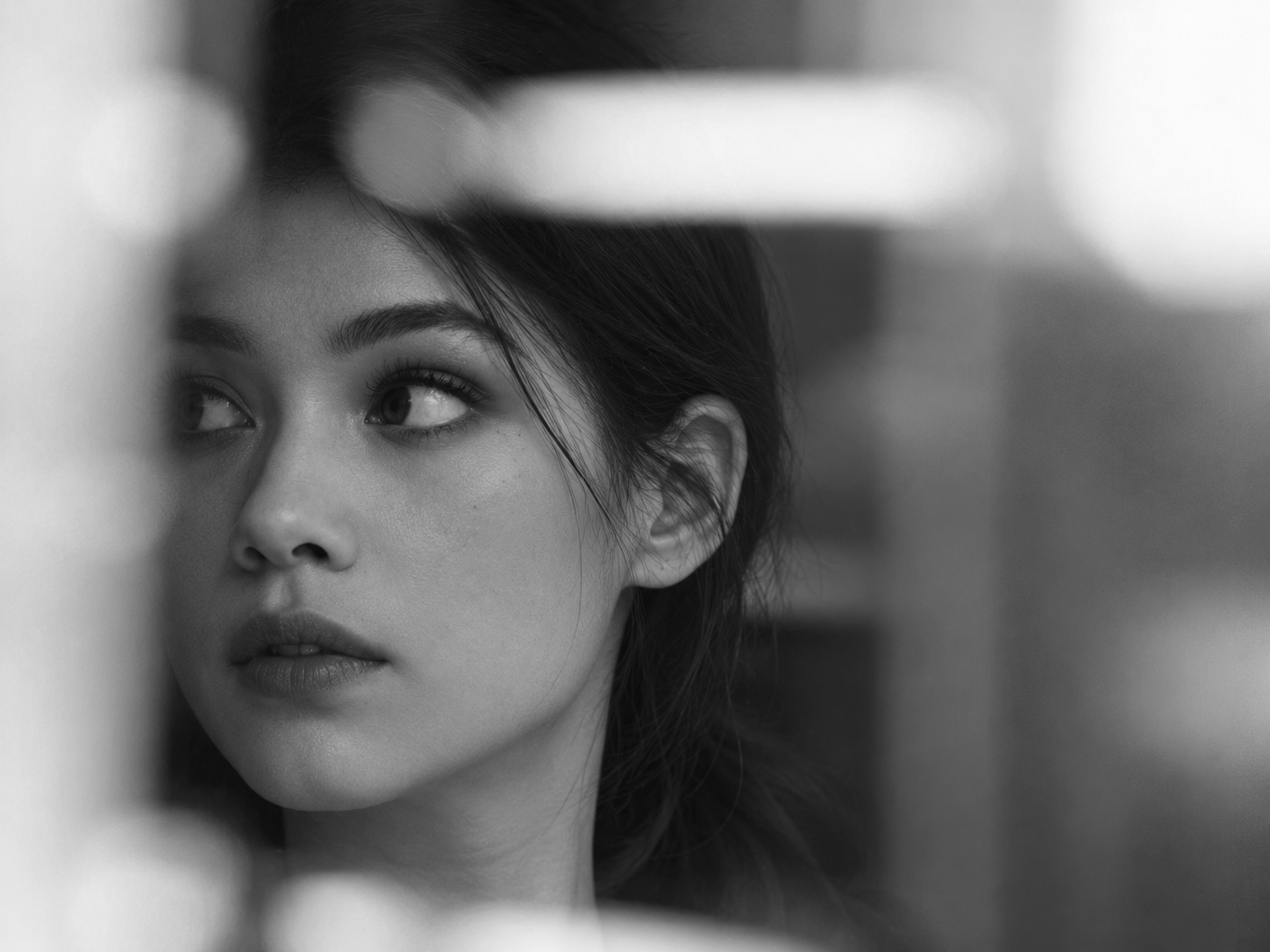
The eyes are among the most expressive elements of a portrait. They communicate emotion, personality, and character, often without a single word.
In portrait photography, the beauty of the eyes is shaped not only by their appearance but also by the interplay of light, shadow, and the surrounding facial anatomy.
Light, Shadow & Periorbital Anatomy
Drooping upper eyelids can make the eyes appear smaller or tired, while under-eye bags and hollow tear troughs may create shadows that emphasize fatigue, particularly under overhead or directional lighting.
Procedures such as ptosis correction, lower blepharoplasty, and brow lifting can refine these structures, restoring balance while preserving their natural characteristics.
Even subtle anatomical changes can influence how light falls around the eyes, creating a fresher, more relaxed appearance in photographs.
The Beauty of Natural Expression
A beautiful portrait, however, does not require perfect symmetry.
The unique shape of the eyes, natural eyelid contours, and subtle facial asymmetries all contribute to an individual's character.
The goal of periorbital surgery is not to create a standardized ideal of beauty, but to achieve thoughtful, subtle improvements while preserving natural expression and individuality.
Ultimately, a compelling portrait captures more than physical beauty. It reveals something of the person behind the face.
The most beautiful portrait is one that reveals who you truly are.
Dr. Thana Chueabundit
Plastic Surgeon | Bangkok, Thailand
