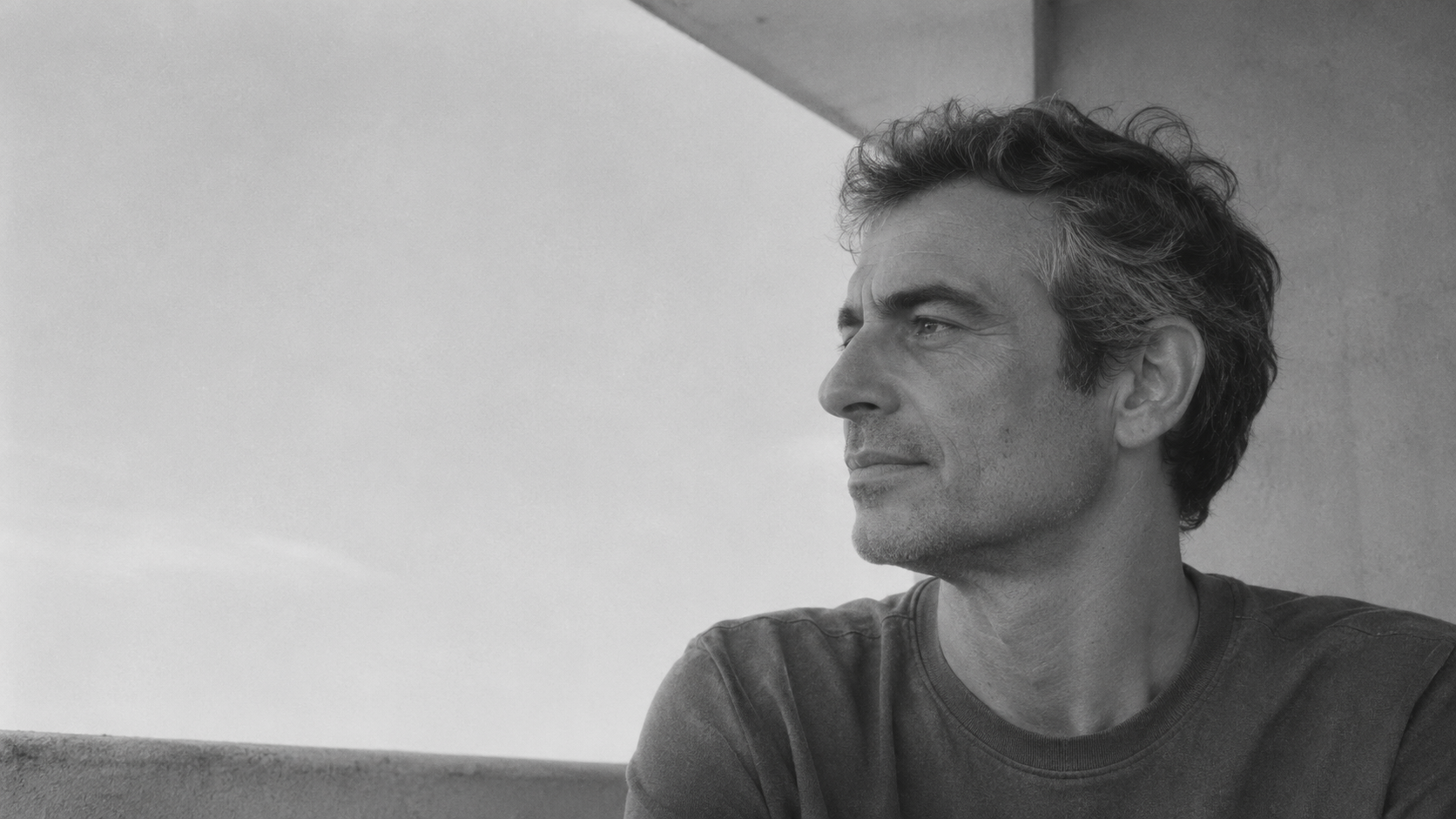
You may be pleased with the number on the scale and still notice a change you weren’t expecting in the mirror. Your cheeks may look flatter, or the shadows under your eyes may seem deeper, especially in overhead light. For some people, the first change they notice is along the jawline or neck.
What does “Ozempic face” mean?
The phrase describes changes some people notice after losing weight with medication such as semaglutide. Similar changes can follow substantial weight loss through other means. A small study comparing facial scans before and after treatment found that people who lost more weight tended to lose more volume in the middle of the face. The study could not separate the direct effects of the medication from those of weight loss itself. [1]
What makes the face look different?
As the cheeks or temples lose fullness, light can make the hollows more visible. At the same time, the skin may look looser along the jawline or neck. Loss of fullness and tissue laxity can occur together, and each affects the treatment plan differently.
The lower eyelid is a good example. An under-eye bag can look more prominent when the hollow beside it deepens or the cheek below it loses fullness. During an assessment, I look at the bulge, the hollow, and how smoothly the lower eyelid blends into the cheek.
Does it help to wait until your weight settles?
If your weight is still changing, your face may continue to change with it. Reviewing your weight trend and looking at photos from before weight loss can help put those changes in context. If you use weight-loss medication and are considering surgery, tell your surgical team what you take and at what dose so they can coordinate with your prescriber and anesthesia team. [2]
Once your weight and facial appearance have begun to settle, the discussion can become more specific. In selected cases, fat grafting can restore fullness to a hollow area. A face or neck lift may be appropriate when loose tissue along the jawline or neck is the main concern. Some people have a combination of changes, and others are comfortable with their appearance without a procedure.
I like to start by looking at where the light falls, where the shadows begin, and which change the person notices most. Sometimes a face that looks “tired” in the mirror comes down to one shadow that has become more visible. Seeing that detail helps us decide what to address and what to preserve.
