Ptosis Correction
Restoring a more open, natural eye expression
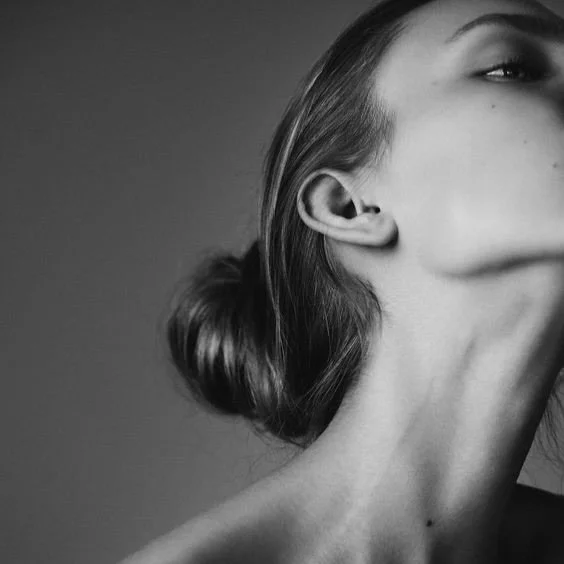
Surgical Perspective
Ptosis affects more than eyelid position alone. It also changes the way the eyes and facial expression are perceived.
In some patients, the change is obvious. In others, it appears as subtle heaviness, reduced openness, or an expression that feels more tired than intended.
For this reason, ptosis correction is approached not as a dramatic alteration, but as a precise restoration. The aim is to improve eye opening while preserving the natural character of the eyes and face.
Considerations
This procedure may be considered in patients with:
upper eyelid drooping that reduces eye opening
asymmetry in eyelid height
a tired or heavy appearance around the eyes
brow strain from compensating to lift the eyelids
subtle or subclinical ptosis affecting facial expression
Approach
Each case is planned individually.
Assessment includes eyelid anatomy, levator function, brow position, and the balance of the upper face. Depending on the findings, correction may involve levator advancement or Müller muscle modification.
The goal is not simply to raise the eyelid, but to restore a natural degree of openness without creating an overcorrected or artificial appearance.
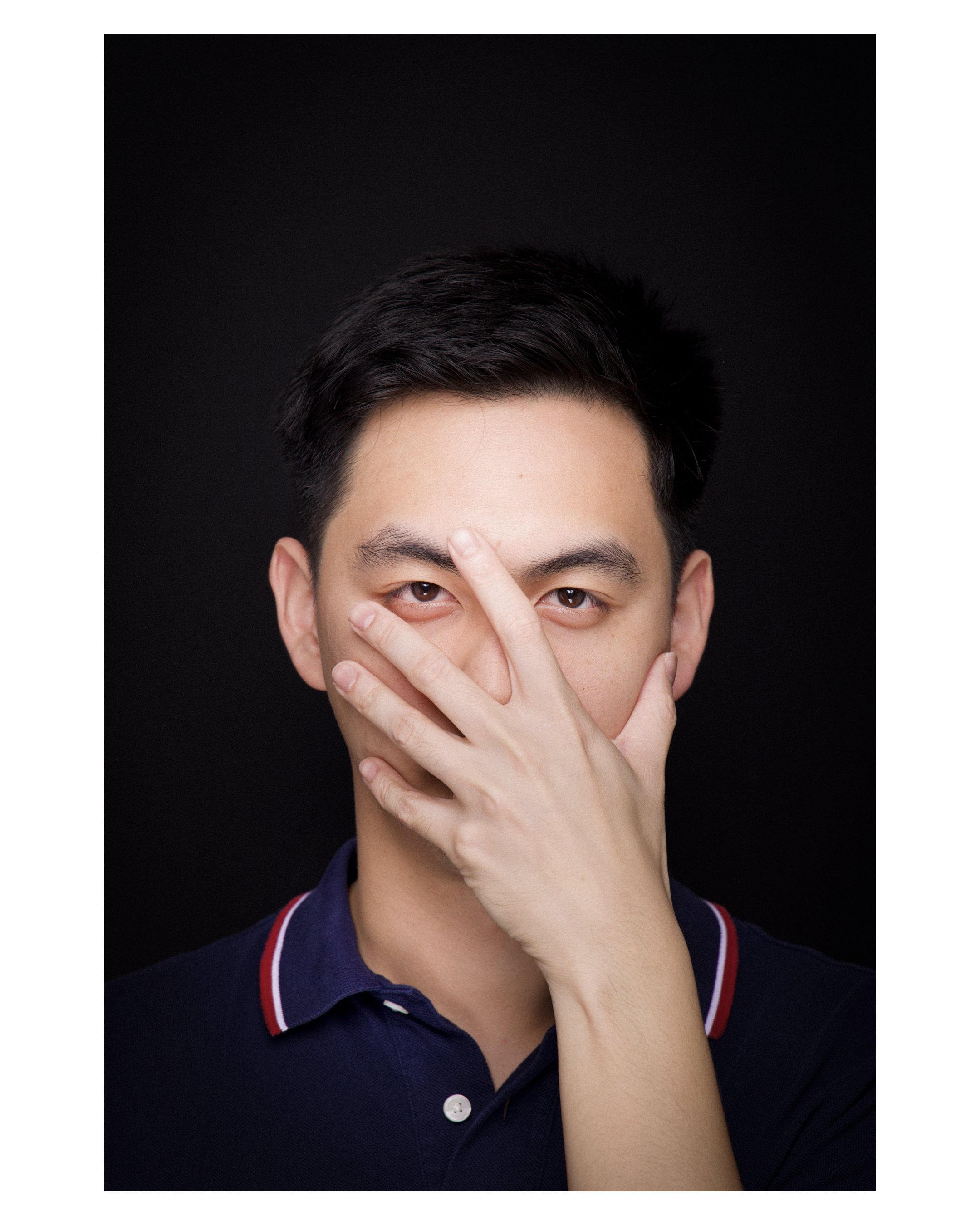
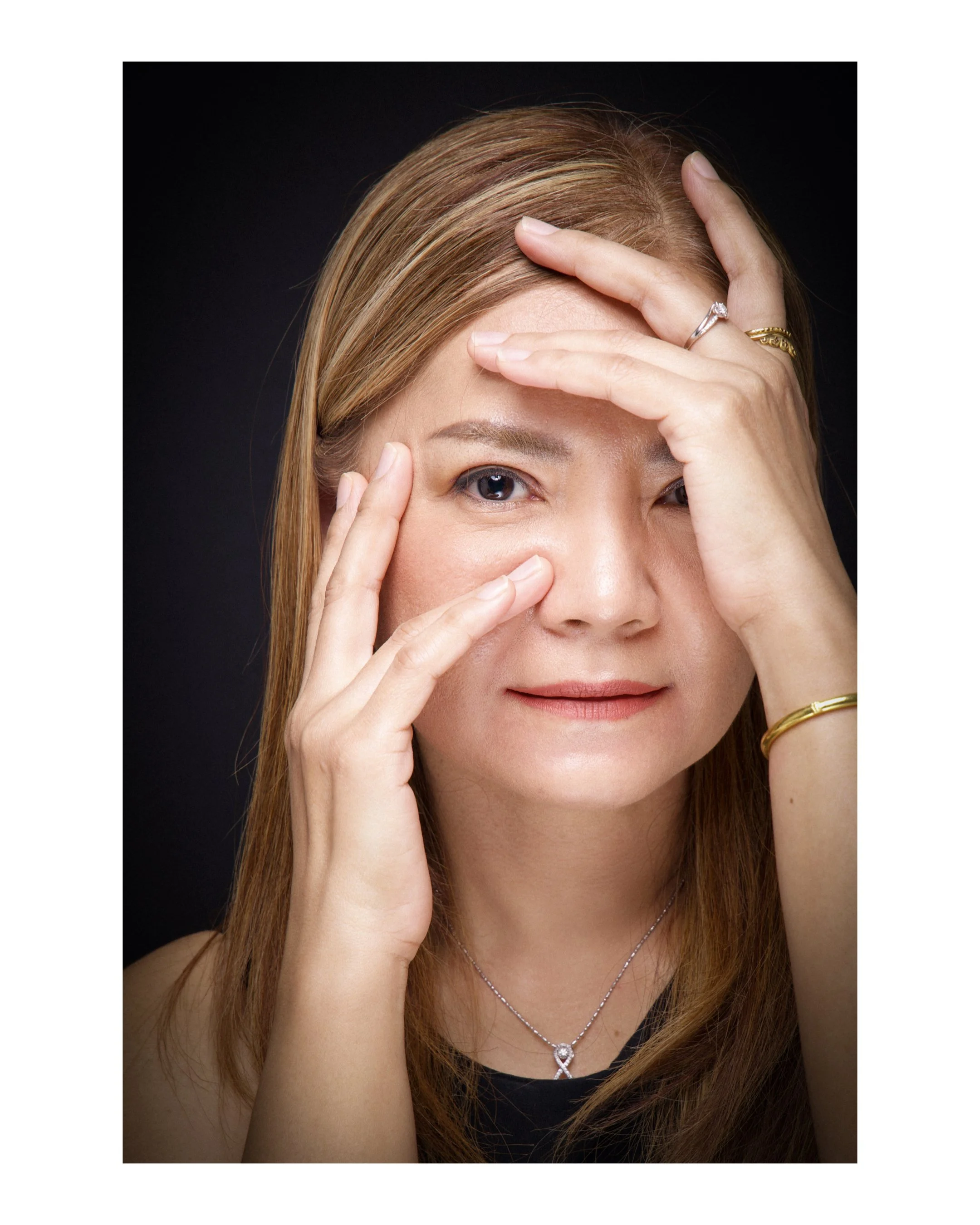
Selected Portraits
Selected portrait outcomes following ptosis correction.
CAT051
CAT047



CAT046
CAT053

CAT048
CAT056
Surgical Note
The goal of ptosis correction is restoration of natural eyelid position and eye openness rather than creating a different appearance.
Further Information
Preparation, recovery, and practical details are available in the clinic guide.